The Backpack Manufacturing Industry’s Year of Pivot, Proof & Performance.

2025 will go down as the year the backpack sector crossed a threshold. This year showed us that it was no longer acceptable to treat backpacks as style-driven commodities. 2025 forced everyone, manufacturers, suppliers, buyers, retailers, educators, and corporate procurement teams, to reach a higher standard of verification, durability, sourcing clarity, and cross-purpose mobility. In other words, 2025 marked the moment the backpack evolved from accessory to infrastructure.
This year's story is not simply one of trends, but of restructuring: how products are made, how materials are sourced, how buyers evaluate value, and how brands communicate proof. For custom backpack manufacturers, this meant moving beyond aesthetics into measurable performance, compliance, and lifecycle accountability.
Compliance Awakening: PFAS, Testing, & True Transparency
Environmental safety has steadily been gaining in importance over the last few years, and now in 2025 it has become unavoidable. PFAS in particular moved from niche concern to regulatory front line. Gone are the days where broad declarations of “eco-safe,” sufficed. Now buyers demanded evidence.
For many factories, 2025 was their first encounter with full documentation:
verified PFAS-free chemistry
water-based or C0 DWR alternatives
transparent coating specifications
traceable finishing processes
This compliance shift is not just bureaucratic, it has actually reshaped production timelines, coating choices, and supplier qualification cycles. Factories had to get accustomed to and learn more detailed testing procedures, deal with coating substitutes supplies running short, or incoming orders requiring full chemical reporting. In 2025the backpack manufacturing industry got to heard the message loud and clear: the old shortcuts were gone.
From Buzzword to Backbone: Product Passports Go Live
Over the last few years the term and concept of “digital product passports” had been floating around the industry. A sustainability concept, championed by the Europeans, meant to make brands, manufacturers, and supply chains more accountable.
Almost overnight, this went from being a buzzword to now what is regarded to be a mainstream and globally recognized tool.
This passport is not a mere QR sticker; it became a lifetime identity file for each backpack:
fiber origin and composition
verified recycled input percentages
repair or component replacement instructions
warranty and end-of-life pathways
For the first time, backpacks entered the digital lifecycle economy. Repair networks expanded, refurbishability became design criteria, and consumers began to expect transparency as a baseline not a premium.

Durability, Warranty Logic & The End of Replace Culture
2025 also saw the collapse in tolerance for disposable design. Buyers, from major retailers to university systems, requested not just durability claims but design-for-longevity proof.
Durability became visible in engineering, not slogans:
reinforced stress points at seams and straps
molded suspension systems to buffer device corners
ballistic weaves and abrasion thresholds measured in standardized labs
warranties structured on performance, not marketing comfort
The result was that backpack are now no longer a seasonal purchase, they have evolved into these three-year, multi-environment tools with guaranteed expectations aligning closer to luggage than fast fashion.
Hybrid Commuting & Multi-Identity Mobility
Remember Covid? As the world recovered from the pandemic, many workers stayed remote. Over the years the return-to-office landscape settled into a hybrid rhythm, part commuter, part remote worker, part traveler. This human mobility pattern changed bag requirements more than any runway trend.
Backpacks now had to serve:
office commute with electronics
airline transport checkpoints
public transit safety
conference organization
weekend travel transitions
2025 design strategy favored silhouettes that shifted from boardroom to airport to subway without looking tactical or tourist-coded. Neutral palettes, smoother hardware integration, and structured organization replaced flamboyant silhouettes.
Modularity Moves Into the Mainstream
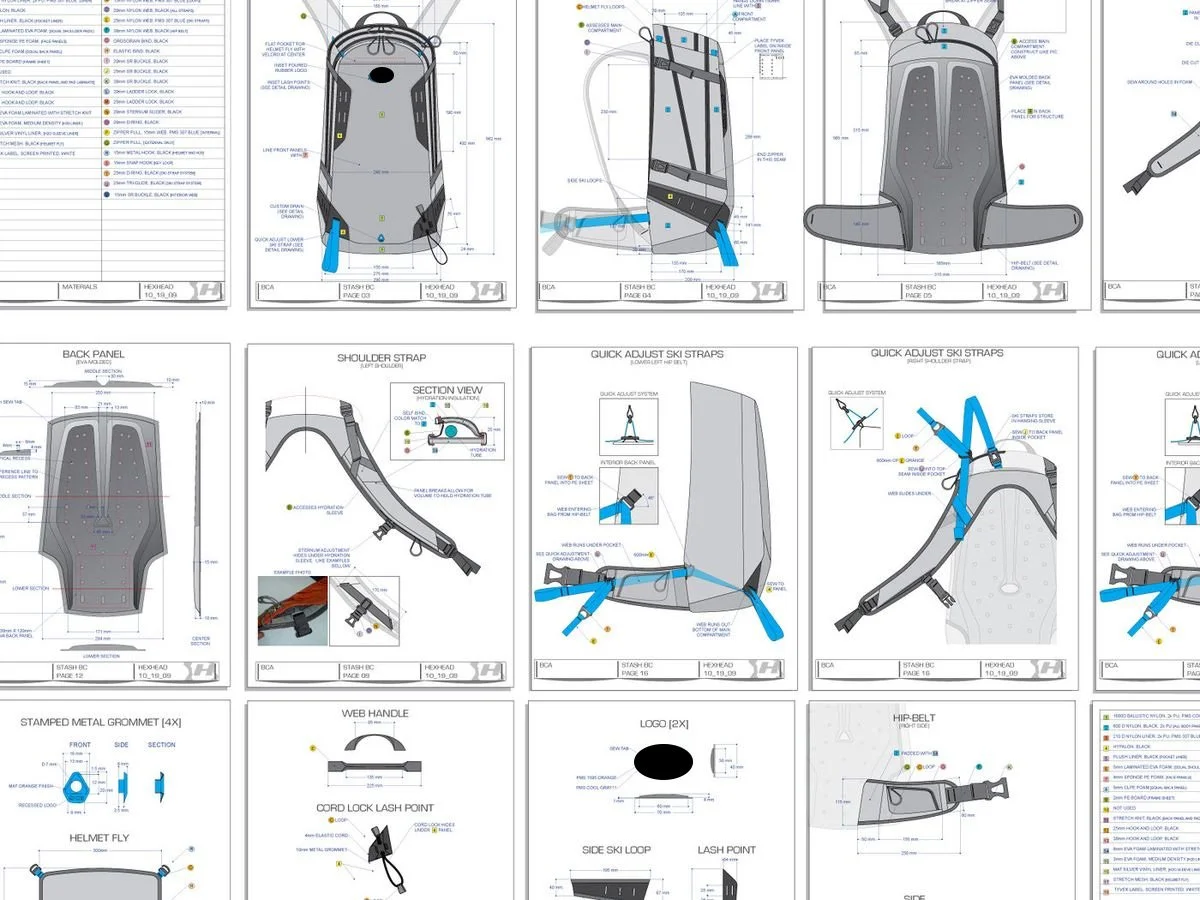
Attachable tech pods, internal organizers, modular dividers, and removable identity panels all moved from enthusiast culture to purchasing department requirements.
The logic behind modularity was economic and environmental:
fewer full SKUs
lower tooling investment for seasonal refresh
reduced resource waste
extended lifecycle through upgrade components
Accessories no longer supplemented backpacks; they completed them.
Local Design DNA Intensifies
Despite global supply interdependence, regional aesthetic preferences hardened rather than harmonized.
Japan gravitated toward whisper-quiet hardware, ultrasmooth matte finishes, and compression-clean geometry.
Europe solidified its preference for slim commuter silhouettes, mixed textile blends, and restrained tonality.
USA demanded more overt utility; anti-theft logic, padded tech vaults, durable exteriors, and TSA-logic compartmenting.
The global brand that tried to look the same everywhere was suddenly the one out of sync.
The Macro Disruptions: Geopolitics, Supply Costs & Trade Anxiety
2025 was not simply shaped by internal recalibration. It unfolded against a global background of unstable shipping lanes, shifting tariffs, and renewed trade stratification.
Manufacturers and buyers coped with:
fluctuating import rates
accelerated diversification from single-country sourcing
higher freight insurance costs
longer transit timelines
commodity cost inflation
The era of single-region manufacturing dependence ended. Brands with flexible sourcing capabilities rose; those tied to fixed-region production struggled. Supply chain reality replaced price optimism.

How did the technical backpack industry fare in 2025
2025 was a year of recalibration and quiet innovation for the technical backpack industry. After several years of volatility driven by pandemic aftershocks, freight chaos, and aggressive inventory corrections, the market finally found a steadier footing. Brands entered the year more disciplined; leaner assortments, tighter SKU control, and a renewed focus on products that genuinely solve problems rather than chase trends. Consumers, meanwhile, proved more selective, favoring durability, versatility, and long-term value over flashy seasonal drops.
Functionality and material innovation continued to define the competitive advantage. Technical backpacks in 2025 leaned heavily into modular design, lightweight yet abrasion-resistant fabrics, and more innovative organization systems tailored to real-world use: urban commuting, travel, outdoor crossover, and work-to-trail lifestyles. Recycled nylons, solution-dyed fabrics, and PFAS-free coatings became baseline expectations rather than differentiators, reflecting how sustainability has shifted from marketing claim to operational standard across the industry.
Manufacturing and sourcing strategies also evolved meaningfully throughout the year. Ongoing tariff uncertainty, rising labor costs in China, and geopolitical risk pushed more brands to diversify production across Southeast Asia, particularly Vietnam. This shift wasn’t just about cost; it was about resilience, lead-time reliability, and closer collaboration between design and factory teams. Brands that invested in long-term factory partnerships saw clear gains in quality consistency and speed to the market.
Perhaps most notably, 2025 reinforced that technical backpacks are no longer niche gear products; they became ever more everyday tools. The lines between outdoor, travel, and lifestyle continued to blur, and the most successful products reflected that reality. As the industry heads into 2026, the winners are likely to be brands that balance technical credibility with restraint: fewer products, better materials, and designs built to earn trust over years, not seasons.
The Lesson of 2025: Backpacks Are Now Systems, Not Items
If 2024 was disruption and 2023 was speculation, 2025 was correction. The industry finally accepted that backpacks must:
prove their origins
justify their material chemistry
deliver multi-environment function
last beyond trend cycles
integrate digital accountability
They are now:
mobility gear
technology protectors
ergonomic safety tools
documented sustainability platforms
The companies that won in 2025 did not chase volume. They chased clarity, repairability, and resilience.
Closing Reflection: The End of “Just a Bag”
The most important shift is philosophical. A bag is no longer “carrying space.” It is a certifiable piece of mobility infrastructure.
2025 transformed backpacks from:
accessory → asset
fashion item → functional proof object
seasonal SKU → lifecycle platform
2026 will not slow these expectations. It will deepen them.
The backpack industry has entered its maturity phase, where verification, modularity, sourcing ethics, and design intelligence are expected rather than admired.
As brands look ahead, the playbook is simple but demanding: Fewer models, stronger systems, verified materials, longer life.
The market is ready. The infrastructure is forming.
I wonder when the next evolution begins, what its challenges will be, and where it will take our industry.

Kowide Outdoors – Who We Are
We are a Bespoke Backpack and Outdoor Apparel Manufacturer from Taiwan, operating as both a custom backpack manufacturers and a trusted outerwear manufacturer for global brands.
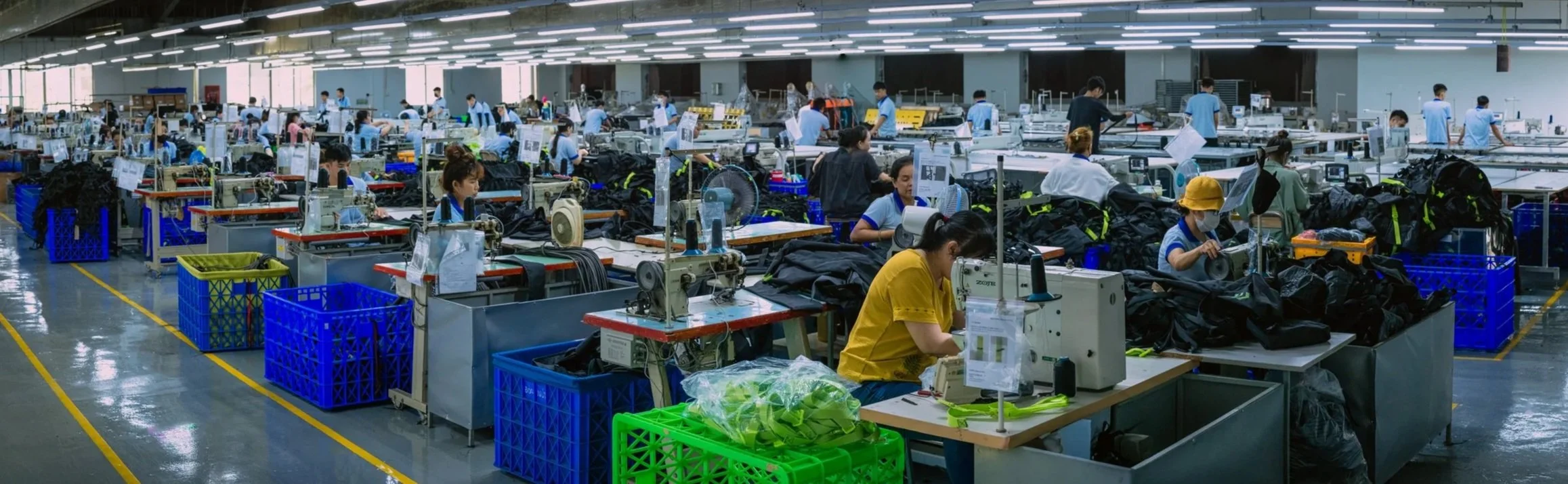
A leading OEM manufacturer with over 50 years of experience supplying products to world-renowned brands across Europe, Asia, Australia, and North America. Our world-class production facility in Vietnam, situated within easy reach of Ho Chi Minh City, is ideally suited to cover all manufacturing needs, from R&D, sourcing, and prototyping to bulk production.
Through technical expertise, ethical management, and rigorous quality control, Kowide Outdoors consistently strives to exceed client expectations, taking pride in helping clients achieve success by delivering the highest level of quality and unparalleled customer service.